
Design Principles for Enhancing User Experience: Unlocking the Power of Great Design
- DSGN TODAY
- Jan 3
- 5 min read

Let me ask you something - when was the last time you landed on a website or app and thought, Wow, this just feels right? You know, the kind of experience that makes you want to stay, explore, and maybe even come back later? That’s the magic of enhancing user experience through smart design principles. It’s not just about looking pretty; it’s about creating a seamless, intuitive journey that hooks users from the get-go.
If you’re building a startup, launching a tech innovation, or running an online product store, nailing this is non-negotiable. So, buckle up. I’m about to break down the core design principles that will transform your digital presence and keep your customers coming back for more.
Why Enhancing User Experience Should Be Your Top Priority
Ever wondered why some websites feel like a breeze to use while others make you want to slam your laptop shut? The difference is user experience (UX). When you focus on enhancing user experience, you’re not just improving usability - you’re building trust, boosting engagement, and ultimately driving sales.
Think about it: a confused visitor leaves. A frustrated user bounces. But a delighted customer? They become your biggest advocate. So, what does it take to create that kind of experience? It’s all about applying design principles that put the user first.
Here’s the kicker - good design isn’t just decoration. It’s a strategic tool that shapes how people interact with your brand. And when done right, it can skyrocket your business growth.
The Core Principles of Design That Boost User Experience
Let’s get down to brass tacks. What are the design principles that actually make a difference? Here’s a no-nonsense list that you can start applying today:
1. Clarity Above All
Confusion kills conversions. Your users should never have to guess what to do next. Clear navigation, straightforward language, and obvious calls to action are your best friends here. For example, instead of “Click here,” say “Buy Now” or “Get Your Free Trial.” Simple, direct, and effective.
2. Consistency is King
Ever noticed how some brands just feel cohesive? That’s because they stick to consistent fonts, colors, and layouts. This consistency builds familiarity and trust. Imagine a website where every page looks and behaves differently - chaos, right? Keep your design elements uniform to create a smooth, predictable experience.
3. Responsive Design for Every Device
Your users aren’t just on desktops anymore. They’re on phones, tablets, maybe even smart TVs. Responsive design ensures your site looks and works perfectly no matter the screen size. Don’t make your visitors pinch and zoom or scroll sideways. Make it effortless.
4. Speed Matters
Slow loading times are a deal-breaker. Users expect lightning-fast responses. Optimize images, streamline code, and leverage caching. A delay of even a second can increase bounce rates dramatically. Fast sites = happy users.
5. Visual Hierarchy Guides the Eye
Your design should lead users naturally through your content. Use size, color, and placement to highlight the most important elements first. Headlines should pop, buttons should stand out, and secondary info should recede. This hierarchy reduces cognitive load and makes decision-making easier.
6. Accessibility is Essential
Don’t leave anyone behind. Design with accessibility in mind - think color contrast, keyboard navigation, and screen reader compatibility. This not only broadens your audience but also shows you care about inclusivity.
7. Feedback and Interaction
Users want to know their actions matter. Provide immediate feedback when they click a button, submit a form, or complete a purchase. Micro-interactions like animations or confirmation messages make the experience feel alive and responsive.
What is design and user experience?
You might be wondering, what exactly do we mean by design and user experience? It’s more than just aesthetics or functionality alone. It’s the harmonious blend of both that creates a meaningful interaction between a user and a product.
Design is the visual and structural framework - the colors, typography, layout, and interactive elements. User experience is the overall feeling and ease of use that comes from interacting with that design. When these two work hand in hand, you get a product that’s not only beautiful but also intuitive and enjoyable.
Think of it like this: design grabs attention, but user experience keeps it. Without UX, design is just eye candy. Without design, UX can feel dull and uninspiring. Together, they’re unstoppable.
Practical Tips to Implement These Principles Right Now
Okay, theory is great, but how do you actually put this into practice? Here are some actionable steps you can take immediately:
Conduct User Research: Understand your audience’s needs, pain points, and behaviors. Use surveys, interviews, or analytics to gather insights.
Create User Personas: Build profiles representing your typical users. This helps tailor your design decisions to real people.
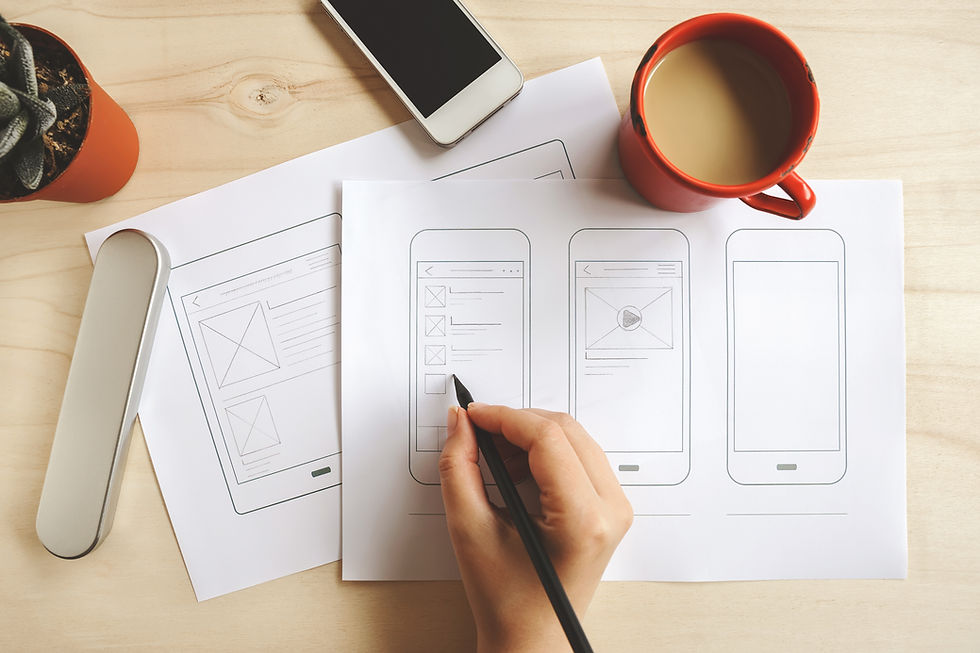
Wireframe Before You Design: Sketch out your layout and flow before diving into visuals. This keeps the focus on usability.
Test Early and Often: Use prototypes and get feedback from real users. Iterate based on what you learn.
Simplify Navigation: Limit menu options and use clear labels. Avoid overwhelming users with too many choices.
Use White Space Wisely: Don’t cram everything in. Give elements room to breathe to improve readability.
Optimize for Mobile: Test your site on multiple devices and screen sizes.
Speed Test Your Site: Use tools like Google PageSpeed Insights and fix any issues slowing you down.
Add Clear Calls to Action: Make it obvious what you want users to do next.
Ensure Accessibility: Use tools like WAVE or Axe to check your site’s accessibility compliance.

Why Startups and Tech Innovators Can’t Afford to Ignore UX Design
If you’re in the startup or tech space, listen up. Your product might be revolutionary, but if the user experience sucks, it won’t matter. Investors, customers, and partners all judge your brand by how easy and enjoyable your product is to use.
Great UX design can be your secret weapon. It reduces support costs, increases customer satisfaction, and boosts retention. Plus, it sets you apart in a crowded market. When you invest in enhancing user experience, you’re investing in your company’s future.
Remember, your brand identity isn’t just your logo or colors. It’s the entire experience you deliver. And that experience starts with smart, user-centered design.
Taking Your Brand to the Next Level with Design
At the end of the day, design is a powerful storytelling tool. It communicates your values, builds emotional connections, and drives action. When you master the principles of design and user experience, you’re not just creating a product - you’re crafting a brand that resonates.
If you want to build a brand that consistently attracts customers and boosts your bottom line, focus on these principles. Make your users feel seen, heard, and valued. That’s how you turn casual visitors into loyal fans.
And if you want to dive deeper into how to integrate these principles seamlessly, check out this resource on design and user experience. It’s packed with insights that will elevate your approach.
Your Next Step: Make UX Your Competitive Edge
So, what’s next? Don’t wait for your users to tell you what’s wrong. Be proactive. Audit your current design, gather feedback, and start implementing these principles today. Remember, every small improvement compounds into a better experience.
Are you ready to transform your digital presence? Embrace these design principles and watch your user engagement soar. Your customers deserve nothing less than an experience that’s smooth, enjoyable, and downright addictive.
Comments